发布时间:2026-03-04 12:59:05 人气:773 来源:析浦(上海)科学仪器
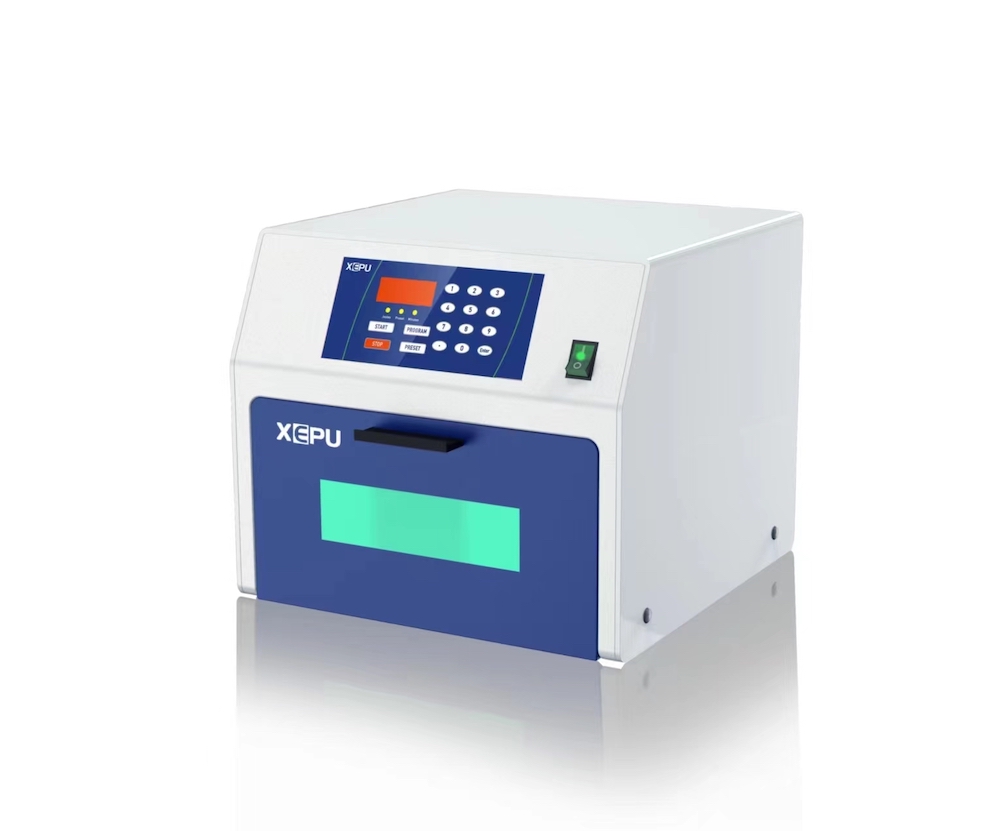
单纯疱疹性角膜炎HSK主要由角膜感染1型单纯疱疹病毒(HSV-1)引起,是一种常见的威胁视力的眼部疾病。使用紫外辐照箱XEPU-1235L建立紫外线UV触发的复发性HSK小鼠模型,对单纯疱疹性角膜HSK的复发和治疗进行研究。
原发性单纯疱疹眼部感染的症状通常类似于普通结膜炎,因此不能作出单纯疱疹感染的诊断。单纯疱疹性角膜炎HSK感染通常会复发,并可能导致角膜知觉减退或瘢痕形成。复发时的症状包括流泪、发红、异物感及强光敏感。有时因病情严重,可因角膜水肿导致视物模糊。感染复发的次数越多,对角膜表面的损伤也越重。若干次复发可导致形成角膜深层溃疡、性瘢痕、血管长到角膜上以及眼表麻木。多次复发时,单纯疱疹性角膜炎HSK可导致严重的视力损伤。
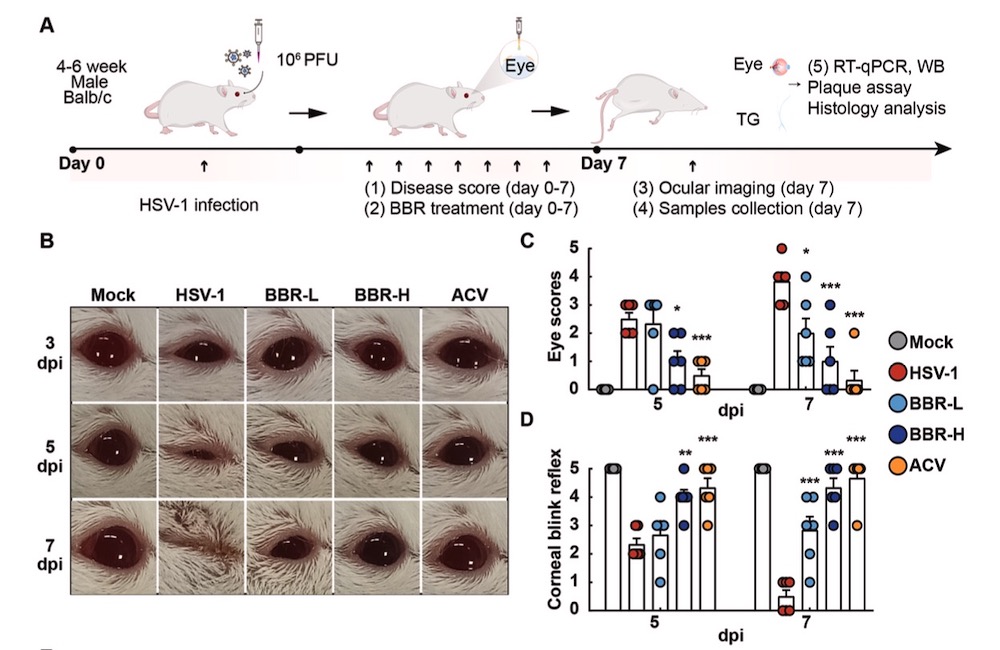
近日,广西医科大学研究团队在中科院一区top期刊《Phytomedicine》上发表文献《Effect of berberine on herpes simplex keratitis through the dimerization of eukaryotic translation initiation factor 2-alpha kinase 2》,研究Berberine (BBR) 是否可通过调控EIF2AK2对单纯疱疹性角膜炎HSK发挥保护作用,研究中使用紫外辐照箱XEPU-1235L建立紫外线诱导的HSK小鼠模型,取得理想实验效果。
建立紫外线诱导的单纯疱疹性角膜炎HSK小鼠模型的大致流程如下,供参考:
将小鼠随机分为对照组,感染组,和治疗组。
在感染后28天,对潜伏感染的小鼠进行麻醉,随后将小鼠放进紫外辐照箱XEPU-1235L。注意确保每只小鼠只有一只眼睛暴露于紫外线。使用中波302m紫外线,设置250 mJ/cm2的照射剂量,对小鼠进行照射。
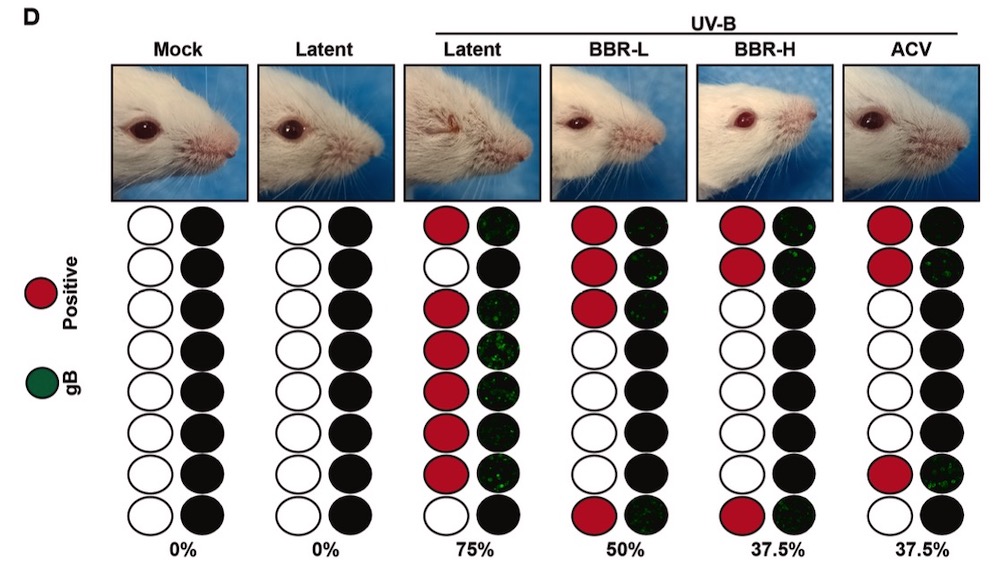
照射完成后,对小鼠角膜拍照记录。
紫外辐照箱XEPU-1235L是一个智能坚固的紫外线辐照设备,可对样品进行均匀、可控的紫外线照射,可用于建立各种紫外线诱导的小鼠模型。目前已在国内外众多学校和科研单位投入使用,帮助实验人员取得理想的紫外线建模效果。
点击了解更多:紫外辐照箱XEPU-1235L产品详情
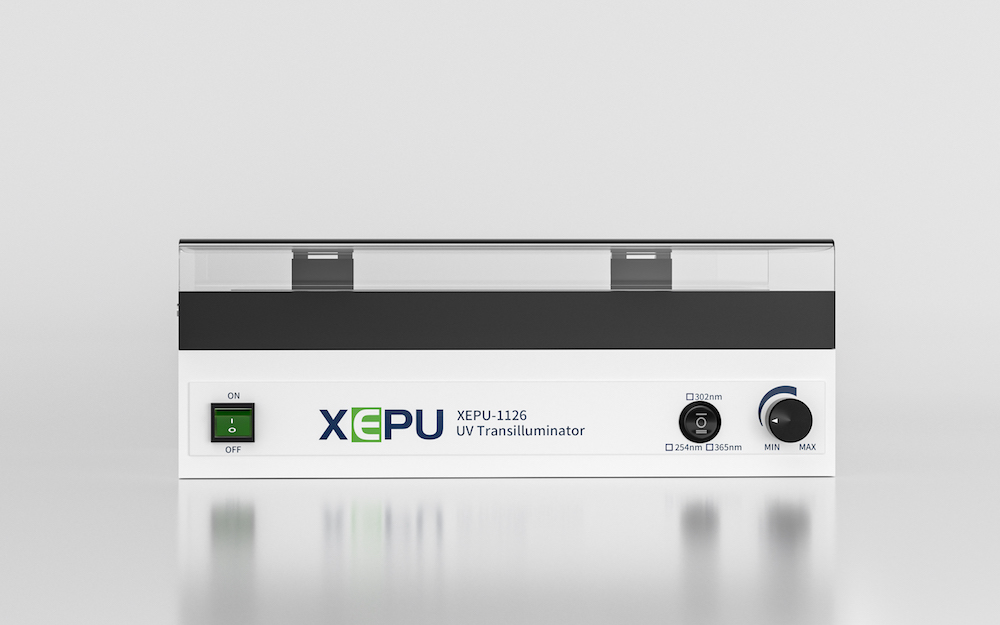
下图:用于建立小鼠模型的紫外辐照箱XEPU-1235L
Background: Herpes simplex keratitis (HSK), primarily caused by corneal infection with herpes simplex virus type 1 (HSV-1), is a prevalent sight-threatening ocular disease. Eukaryotic translation initiation factor 2-alpha kinase 2 (EIF2AK2) has emerged as a crucial regulatory target in ocular inflammatory diseases. Berberine (BBR), a natural quaternary ammonium isoquinoline alkaloid, has been shown to exhibit potent inhibitory activity against EIF2AK2. While preliminary in vitro studies have reported the anti-HSV-1 effects of BBR, its therapeutic effects on HSK and underlying biological mechanisms remain to be fully elucidated.
Purpose: This study aimed to investigate whether BBR could exert protective effects against HSK through the regulation of EIF2AK2.
Study design and methods: To evaluate the therapeutic potential of BBR against HSK, human corneal epithelial cells (HCE-T) were infected with HSV-1 for in vitro studies and corneally infected mice were employed for in vivo investigations. An ultraviolet (UV)-triggered recurrent HSK mouse model was established to further explore BBR’s effects on HSV-1 latency and reactivation. To elucidate the potential mechanism, molecular docking and microscale thermophoresis (MST) were used to predict and confirm the binding of BBR to EIF2AK2. Molecular dynamics (MD) simulation and co-immunoprecipitation (Co-IP) analyses were performed to determine the impact of BBR on EIF2AK2 dimerization induced by HSV-1. RNA sequencing was conducted to identify down- stream effectors in BBR’s anti-HSV-1 mechanism. The clustered regularly interspaced short palindromic repeats (CRISPR)/CRISPR-associated protein 9 (CRISPR/Cas9) technique and adeno-associated virus (AAV) injection were employed to confirm EIF2AK2’s role in BBR’s efficacy against HSK.
Effects of BBR on HSV-1 latency and HSK recurrence
To investigate the impact of BBR on HSV-1 latency, infected mice were sacrificed at 28 dpi, and their TGs were sampled for RT-PCR to determine latency-associated transcript expression. To investigate the influence of BBR on HSK recurrence, a UV-induced HSK recurrent mouse model was employed, as previously described (Morris et al., 2012). At 28 dpi, the latently infected mice were anesthetized and subsequently placed under an ultraviolet irradiation chamber XEPU-1235L that emitted UV light with a peak wavelength of 302 nm. Care was taken to ensure that only one eye of each mouse was exposed to the UV light, with an exposure dose of 250 mJ/cm2 per mouse. After irradiation, the cornea of the exposed eye was photo- graphed and gently swabbed with a sterile swab.
文献DOI: 10.1016/j.phymed.2025.157112


微信咨询

关注公众号

 客服1
客服1